

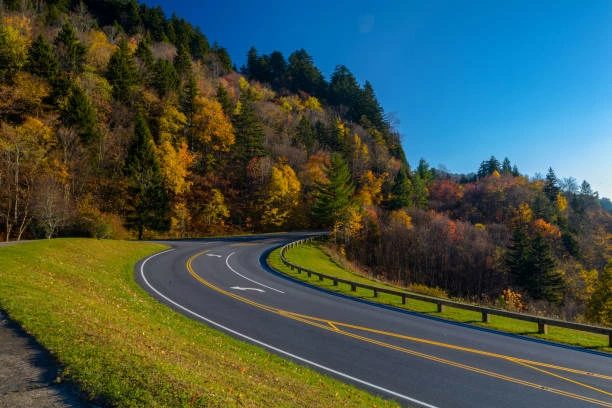
Slow Travel Smoky Mountains adventures are all about enjoying the journey instead of rushing from one attraction to another. The Great Smoky Mountains offer winding roads, peaceful valleys, historic structures, waterfalls, wildlife, overlooks, and colorful forests, so trying to see everything in one fast-paced trip can leave you feeling like you missed the best parts.
Slow travel gives you another option. Instead of packing every hour with activities, you can choose a few scenic areas, spend more time at each stop, and leave room for unexpected discoveries. This approach is especially rewarding in autumn when changing leaves create a constantly shifting landscape across different elevations.
Whether you are staying in Pigeon Forge, Gatlinburg, or another nearby mountain community, you can experience the Smokies deeply without trying to cover every mile. With thoughtful planning, Slow Travel Smoky Mountains experiences can help you see many highlights while still having time to relax.
What Is Slow Travel in the Smoky Mountains?
Slow travel means exploring with fewer time pressures and more attention to the surroundings. Rather than treating the Smokies like a checklist, you build your trip around experiences.
That might mean spending an entire morning on one scenic road, stopping at overlooks when the view catches your attention, having a picnic beside a stream, or taking a short walk instead of immediately driving to the next attraction.
The Great Smoky Mountains National Park provides an excellent setting for this style of travel. The National Park Service notes that the park has about 384 miles of roads, giving visitors plenty of opportunities for auto touring and scenic exploration.
The key is not to see every road. The goal is to choose routes that allow you to enjoy the landscape without constantly watching the clock.
Slow Travel Smoky Mountains: Choose One Area Each Day
One of the easiest ways to slow down is to organize your vacation geographically.
Instead of driving back and forth between Pigeon Forge, Gatlinburg, Cades Cove, and distant mountain roads every day, choose one general area and explore it thoroughly.
For example, you could dedicate:
- One day to Cades Cove
- One day to Newfound Gap and nearby overlooks
- One day to Roaring Fork
- One day to Foothills Parkway
- One day to Pigeon Forge and nearby attractions
- One day to relaxing at your cabin and enjoying the mountain setting
This strategy reduces unnecessary driving while giving you more time to experience each destination.
It also makes your vacation more flexible. If you discover a beautiful overlook, quiet stream, historic cabin, or interesting trail, you can stay longer without worrying about being late for your next scheduled activity.
Take Your Time on Cades Cove Loop Road
Cades Cove is one of the best places for a relaxed Smoky Mountain drive.
The 11-mile, one-way Cades Cove Loop Road passes through a scenic valley surrounded by mountains. Along the route, visitors can see historic structures, wildlife habitat, churches, cemeteries, fields, and access points for hiking. The National Park Service recommends allowing at least two to four hours to tour the loop, with additional time if you plan to hike.
That makes Cades Cove perfect for slow travel.
Rather than viewing the loop as an 11-mile drive, think of it as a half-day experience. Start early, bring water and snacks, stop at designated pullouts, and give yourself time to appreciate the scenery.
During fall, this approach becomes even more rewarding. Trees at different elevations change color at different times, so the scenery can vary considerably throughout the region.
You can also learn more about planning a seasonal visit through this guide to fall foliage in the Smoky Mountains.
Remember that Cades Cove can become congested during busy periods. The National Park Service specifically warns that traffic is heavier during summer and fall and on weekends.
Use Scenic Roads as Destinations
A major part of Slow Travel Smoky Mountains planning is recognizing that the drive itself can be the attraction.
You do not always need a major destination at the end of the road.
The National Park Service’s Smoky Mountain auto touring guide highlights scenic routes featuring panoramic views, mountain streams, historic buildings, and mature forests, making these roads ideal for travelers who want to slow down and enjoy the journey.
Foothills Parkway
Foothills Parkway is an excellent choice when you want expansive mountain views without filling your schedule with multiple stops.
The National Park Service describes sections of the parkway as providing quiet and scenic views of the Smokies.
This is a great route for travelers who want to take photos, enjoy overlooks, and simply drive through the mountains at a comfortable pace.
Instead of rushing through the parkway, choose a few overlooks and spend time enjoying each one.
Newfound Gap Road
Newfound Gap Road, also known as U.S. 441, crosses the Smokies between Tennessee and North Carolina. It offers changing elevations, forest scenery, mountain views, and numerous opportunities to stop.
Because elevation affects fall color timing, this road can be especially interesting during autumn. Higher elevations generally change first, followed by lower areas over the following weeks.
That means a single drive can provide several different stages of seasonal color.
Slow Travel Smoky Mountains Means Leaving Room for Nature
One of the biggest mistakes travelers make is planning every minute.
The Smokies are unpredictable in the best possible way. You might encounter a beautiful misty morning, hear rushing water beside the road, spot a bird, discover a quiet pullout, or see wildlife from a safe distance.
These moments cannot always be scheduled.
The National Park Service offers current information about wildlife, road conditions, trails, and other park conditions, making it important to check conditions before heading out.
When wildlife appears, enjoy the experience responsibly. Never approach or feed animals, and use designated areas for stopping.
A slow itinerary gives you the freedom to pause safely when something catches your attention.
Plan Short Walks Instead of Long Hikes Every Day
You do not have to complete a major hike to experience the Smokies.
If your objective is to see more of the area without exhausting yourself, combine scenic drives with short walks and overlooks.
For example, you can spend the morning driving a scenic route, stop for a short nature walk, have lunch, and then continue toward another overlook.
This approach works particularly well for families and multigenerational groups because everyone can participate without committing to a strenuous hike.
It also creates variety. One day does not have to be entirely about hiking, just as a scenic-drive day does not have to mean staying inside the vehicle.
Build in Cabin Time
Slow travel does not mean spending every moment outside.
Where you stay can become part of the vacation experience.
Choosing a comfortable cabin gives you a place to return to after exploring the mountains. Instead of immediately heading back out for another attraction, you can enjoy dinner, relax, play games, sit outside, or simply appreciate the surrounding scenery.
For travelers staying around Pigeon Forge, explore Pigeon Forge large cabins for a comfortable home base during a Smoky Mountain getaway.
This is particularly useful for larger families and groups. Having enough space to relax can make it easier to maintain a slower itinerary.
You can spend a full morning exploring and then return to the cabin for an unhurried afternoon rather than feeling obligated to keep sightseeing.
Check Road Conditions Before You Leave
A relaxed trip still requires preparation.
Road conditions in the mountains can change because of weather, construction, seasonal closures, and other conditions. The National Park Service recommends checking current conditions and closures before planning an auto tour.
Some major roads, including Newfound Gap Road, Little River Road, and Cades Cove Loop Road, are generally open year-round when weather permits. Secondary roads may have seasonal schedules.
For example, the 2026 seasonal schedule lists Kuwohi Road as open from April 1 through November 29, weather permitting, while Roaring Fork Motor Nature Trail is listed from April 17 through November 29.
Checking conditions before leaving can prevent unnecessary detours and help you build a realistic itinerary.
Travel Early or Choose Less Busy Times
Slow travel becomes much easier when you avoid the busiest periods.
The Smokies are extremely popular, and the National Park Service provides a congestion forecast to help visitors plan around expected traffic. Green days indicate lower predicted congestion, while red days indicate heavier congestion and fuller parking areas.
If your schedule is flexible, consider starting earlier in the day.
Early starts can provide quieter roads, cooler temperatures, better opportunities for photography, and a more peaceful atmosphere.
You can also plan your most popular destination for a less crowded period and use the middle of the day for a relaxed meal or cabin break.
Slow Travel Smoky Mountains During Fall
Fall is one of the best seasons for this travel style because the landscape changes gradually across elevations.
The National Park Service’s guide to fall colors in the Smokies explains how the park’s diverse trees and changing elevations contribute to its spectacular autumn display. Because elevations range from roughly 875 to 6,643 feet, fall color develops in waves rather than appearing everywhere at the same time.
This means you do not need to find one perfect day when the entire park is at peak color.
Instead, follow the changing landscape.
Higher elevations may show color first, while lower elevations continue developing later. A flexible road-trip itinerary lets you adjust your route based on what you see.
For visitors staying near Pigeon Forge, this makes a longer stay particularly valuable. You have more opportunities to explore different elevations rather than trying to experience everything during one rushed weekend.
Create a “Must-See” and “Nice-to-See” List
Another practical Slow Travel Smoky Mountains strategy is dividing attractions into two categories.
Must-See
Choose three to five experiences that you genuinely do not want to miss.
These might include:
- Cades Cove
- A favorite scenic drive
- A mountain overlook
- A waterfall
- A historic area
- A favorite Pigeon Forge attraction
Nice-to-See
Everything else belongs on a flexible list.
If you have time, visit it. If traffic is heavy or the weather changes, skip it without feeling like you failed.
This simple distinction can dramatically improve your vacation.
Your goal should be to return home with great memories rather than a completed checklist.
Make Meals Part of the Experience
Food can also become part of your slow-travel schedule.
Instead of grabbing meals between attractions, plan one relaxed meal each day. Look for local restaurants, scenic picnic locations, or a comfortable meal back at your cabin.
A picnic can be especially enjoyable after a scenic drive. Pack simple food, find an appropriate picnic area, and spend some time listening to the surrounding forest and streams.
The National Park Service lists several picnic areas throughout the park and provides information about seasonal facility schedules.
The idea is simple: make meals a part of the experience rather than another task to complete.
Spend More Than One Day in the Smokies
If you truly want to experience Slow Travel Smoky Mountains style, consider staying several nights instead of attempting the area as a quick weekend stop.
A longer visit gives you the freedom to divide the region into manageable sections.
For example:
Day 1: Arrive, settle into your cabin, and explore Pigeon Forge.
Day 2: Enjoy Cades Cove at a relaxed pace.
Day 3: Take a scenic drive along Foothills Parkway and explore nearby areas.
Day 4: Explore Newfound Gap Road and higher elevations.
Day 5: Enjoy a slower morning, take a short walk, and spend the afternoon relaxing.
Day 6: Choose your favorite area and revisit it.
This type of schedule provides structure without making the vacation feel rushed.
The Benefits of Slow Travel Smoky Mountains
Traveling slowly has several advantages.
First, it reduces driving fatigue. Second, it gives you more time for photography and spontaneous stops. Third, it makes the trip more comfortable for families and older travelers. Finally, it allows you to appreciate the character of the Smokies rather than simply passing through.
You may even discover that seeing fewer attractions results in remembering more experiences.
A quiet morning surrounded by autumn leaves can be more memorable than visiting five attractions in one day.
Final Thoughts
You do not need to rush through the Smokies to see its best sights. Slow Travel Smoky Mountains adventures are about choosing the right places, allowing enough time at each stop, and leaving space for nature to surprise you.
Use scenic roads as destinations, explore Cades Cove patiently, watch changing elevations during fall, check road conditions before driving, and build relaxing breaks into your itinerary.
Most importantly, choose accommodations that allow you to slow down at the end of the day. A comfortable Pigeon Forge cabin can provide the ideal home base for exploring the mountains while still giving your group plenty of time to relax.
The Smokies are not a place you have to rush through. Take the scenic road, stop at the overlook, listen to the creek, watch the leaves move in the breeze, and enjoy the journey. When you travel slowly, you may discover that you actually see—and remember—much more.