

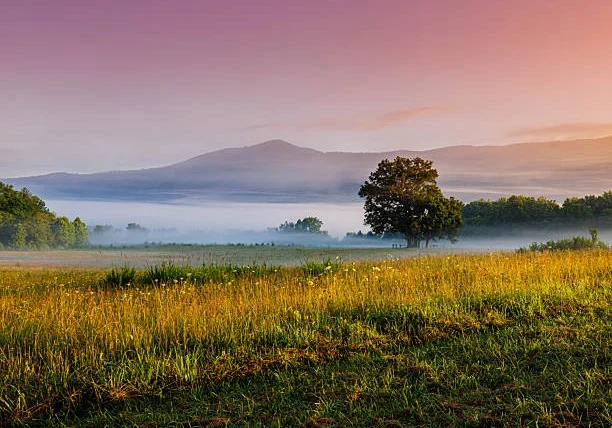
August brings a special kind of beauty to the Smoky Mountains. For anyone interested in August photography in Pigeon Forge, this month offers vibrant green forests, mountain landscapes, wildlife opportunities, waterfalls, colorful sunsets, and plenty of scenic locations. The warm summer atmosphere also creates excellent opportunities for photographers who want to capture both nature and the energy of Pigeon Forge.
The area sits at the gateway to the Great Smoky Mountains National Park, giving visitors access to countless subjects within a relatively short drive. From misty mountain mornings to golden evening light, August can provide photographers with a diverse collection of images during one trip.
Staying in a comfortable cabin makes the experience even easier. A mountain cabin can give photographers a relaxing place to organize equipment, review images, recharge batteries, and prepare for another day of shooting. For a convenient place to stay during your photography getaway, explore Pigeon Forge Large Cabins.
Why August Creates Beautiful Photography Opportunities
One of the biggest advantages of August is the rich green scenery. The forests of the Smokies remain full and vibrant, creating colorful backgrounds for landscape photography. Instead of waiting for autumn foliage, photographers can focus on the textures and layers created by summer vegetation.
Mountain ridges, tree-covered slopes, winding roads, creeks, and open valleys all offer different compositions. Early morning light can create a softer appearance across the mountains, while afternoon clouds may add drama to wider landscape photographs.
August is also useful for photographers who enjoy variety. You can spend one morning photographing landscapes, an afternoon capturing waterfalls, and an evening working on sunset or city photography around Pigeon Forge.
Capture the Lush Smoky Mountain Landscape
The Smoky Mountains are especially green during summer. This makes August a strong month for photographers who enjoy natural landscapes rather than autumn colors.
Try photographing layers of ridges from overlooks and elevated viewpoints. A longer lens can compress distant mountains and create a dramatic layered effect. A wide-angle lens works well when you want to include foreground trees, mountain ridges, and the sky in the same composition.
Morning photography can be particularly rewarding. The combination of lower-angle sunlight and mountain moisture can create atmospheric conditions that give photographs more depth.
Before heading into the park, photographers should check the National Park Service current conditions and alerts because road, trail, and weather conditions can change.
Photograph Cades Cove in August
Cades Cove is one of the most recognizable photography locations near Pigeon Forge. The scenic valley is surrounded by mountains and includes historic structures, wildlife habitats, fields, forests, and the famous 11-mile loop road.
For photographers, Cades Cove provides numerous subjects within a single location. You can photograph old cabins, churches, fences, mountain backgrounds, wildlife, and changing light across the valley.
Early morning is a good time to experiment with softer light and fewer distractions. The National Park Service notes that traffic can be heavy during summer and fall, so photographers should use designated pullouts and remain considerate of other visitors.
For additional planning, visit the official Cades Cove guide from the National Park Service.
Look for Wildlife Photography Opportunities
Wildlife photography is another reason August can be exciting. The Smokies support a wide range of wildlife, and photographers may encounter animals while exploring roads, fields, forests, and trails.
Cades Cove is particularly well known for wildlife viewing. However, photographers should never approach, feed, or disturb animals simply to obtain a better photograph.
A telephoto lens allows you to maintain a safer distance while still capturing detailed images. Patience is often more valuable than constantly moving from one location to another.
The National Park Service also emphasizes keeping a safe distance from wildlife because approaching animals can put both visitors and wildlife at risk.
Photograph Waterfalls and Mountain Streams
August photography in Pigeon Forge does not have to focus only on mountains and wildlife. Water features provide excellent opportunities for creative compositions.
Mountain streams can be photographed using faster shutter speeds to freeze individual drops or slower shutter speeds to create a smooth, flowing appearance. Rocks, moss, reflections, and surrounding vegetation can be used as foreground elements.
Summer greenery surrounding a stream can also create strong natural framing. Look for compositions where water leads the viewer toward a larger mountain or forest scene.
Because late summer conditions can affect water levels, photographers should check current conditions before planning a waterfall-focused outing.
Capture Morning Mist and Atmospheric Scenes
One of the most memorable photography opportunities in the Smokies is morning atmosphere. Warm summer air interacting with cooler mountain environments can create misty or hazy scenes.
These conditions can make distant ridges appear softer and more layered. A telephoto lens can emphasize the layers, while a wide-angle lens can capture the broader environment.
Arriving early gives photographers more opportunities to work with changing light. Instead of taking only one photograph, try photographing the same scene every few minutes as the sun changes the colors and shadows.
Photograph Pigeon Forge After Dark
Photography opportunities continue after sunset. Pigeon Forge offers a completely different visual environment once its attractions, restaurants, theaters, and businesses illuminate the evening landscape.
Night photography can capture colorful signs, moving traffic, entertainment venues, and illuminated attractions. A tripod can help when using slower shutter speeds, while manual camera settings give you more control over exposure.
Photographers interested in combining natural and urban subjects can spend the morning in the mountains and return to Pigeon Forge for evening photography.
Make Sunset Photography Part of Your Trip
Sunset is another reason photographers can enjoy August in Pigeon Forge. The combination of mountain ridges, clouds, and changing summer light can produce dramatic compositions.
Look for elevated viewpoints where the horizon remains visible. Arrive before sunset rather than at the exact sunset time so you can find a good composition and watch how the light changes.
Do not limit yourself to the moment when the sun disappears. Some of the most interesting colors can appear shortly before sunset or after the sun has dropped below the horizon.
Photograph the Details of Summer
Great photography does not always require a huge mountain vista. August is an excellent month for photographing smaller details.
Consider capturing:
- Wildflowers and summer plants
- Leaves and forest textures
- Mountain streams
- Moss-covered rocks
- Rustic fences
- Historic buildings
- Wooden bridges
- Birds and other wildlife
- Reflections on water
- Summer sunsets
Macro and close-up photography can help create a completely different visual story from your trip.
Use Cabin Time for Photography Projects
A cabin can become more than just a place to sleep during a photography-focused vacation. It can provide a comfortable base for reviewing photographs and preparing equipment.
After a long day outside, photographers can download images, back up memory cards, charge batteries, clean lenses, and organize photographs for editing.
This is especially useful for photographers traveling with several lenses or cameras. Having a dedicated place to organize equipment makes the entire trip more relaxed.
If you are planning a future visit around changing seasons, you can also explore this guide to fall foliage in the Smoky Mountains for ideas beyond the summer photography season.
Follow Responsible Photography Practices
Photography should never come at the expense of the environment or other visitors. Stay on designated trails, respect closures, avoid damaging plants, and never move natural or historic objects to improve a composition.
The National Park Service explains that most small-scale still photography involving eight or fewer people does not require a permit when it meets specific conditions, including using hand-carried equipment and not adversely affecting park resources or visitors.
Photographers should still review current park rules before a commercial or specialized photography project.
Plan Around Weather and Changing Light
Summer weather in the Smokies can change quickly. Clouds may develop during the day, and conditions can differ between lower valleys and higher elevations.
That unpredictability can actually benefit photographers. Changing clouds can add depth to landscape photographs, while breaks in the clouds can create dramatic patches of sunlight.
Carry weather protection for cameras and phones, and avoid exposing equipment unnecessarily to rain or moisture. A simple weather check before leaving your cabin can help you decide whether to focus on landscapes, waterfalls, indoor subjects, or evening photography.
Pack the Right Photography Equipment
You do not need an expensive professional setup to enjoy photography in Pigeon Forge. A smartphone can capture excellent images, while a mirrorless or DSLR camera provides more control.
Useful equipment may include:
- Wide-angle lens for landscapes
- Telephoto lens for wildlife
- Macro lens for small details
- Lightweight tripod
- Extra batteries
- Extra memory cards
- Lens cloth
- Rain protection
- Polarizing filter
- Portable power bank
The most important equipment is often the one you are comfortable carrying. A lighter setup may encourage you to explore longer and experiment with more compositions.
August Offers Photography Variety Before Fall Colors
Many visitors associate the Smokies with autumn photography, but waiting for fall is not necessary. August provides a completely different visual character.
The forests are deeply green, mountain landscapes feel lush, and summer weather creates opportunities for mist, clouds, streams, wildlife, and dramatic skies. Photographers can also capture the contrast between peaceful mountain scenery and the lively atmosphere of Pigeon Forge.
This variety makes August particularly appealing to photographers who want more than traditional foliage pictures.
Create a Photography-Focused Pigeon Forge Getaway
A photography trip does not have to be complicated. Choose several locations, allow enough time for unexpected discoveries, and avoid packing every day with activities.
One day might focus on Cades Cove and wildlife. Another could center on mountain streams and scenic overlooks. An evening can be reserved for Pigeon Forge lights and long-exposure photography.
Final Thoughts
August photography in Pigeon Forge offers a rewarding combination of lush mountain scenery, wildlife, waterfalls, misty mornings, summer details, sunsets, and nighttime city scenes. The month gives photographers many different subjects without requiring a single photography style.
With a comfortable cabin as your base, you can start early for mountain landscapes, spend the day exploring scenic locations, and return in the evening to organize your photographs. Whether you use a smartphone or a professional camera, August provides plenty of opportunities to create memorable Smoky Mountain images.
For travelers planning their next photography escape, Pigeon Forge Large Cabins can provide a convenient starting point for planning a relaxing mountain stay.